Resources · July 3, 2026
Options Scanner vs Broker Tools
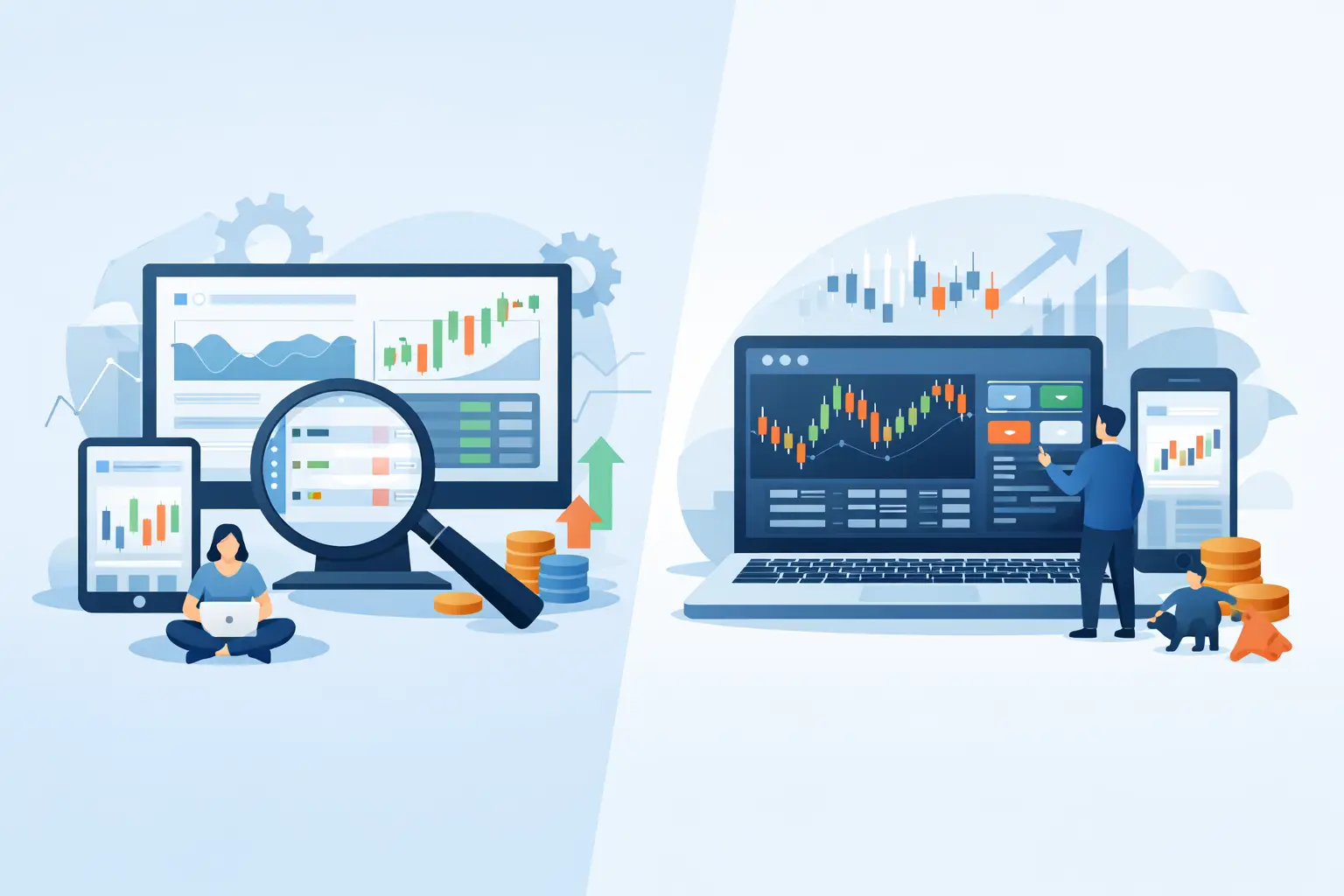
A trade can look clean on the options chain and still be hiding a catalyst that blows up your short premium thesis. That is the real issue in the options scanner vs broker tools debate. Most traders are not choosing between good and bad software. They are choosing between a platform built to route orders and display market data, and a platform built to surface the specific risks that can distort an options position before expiration.
If you sell cash-secured puts, covered calls, iron condors, or credit spreads, that distinction matters. Premium can look attractive for the wrong reason. A volatility pop ahead of earnings, an FDA date inside your expiry window, a legal filing, or unusual options activity can turn a routine short-vol trade into a rushed adjustment. The question is not whether your broker has tools. The question is whether those tools are designed for pre-trade risk detection.
What "options scanner vs broker tools" really means
Broker tools are usually broad by design. They need to serve stock investors, futures traders, long options buyers, portfolio allocators, and active intraday traders inside one interface. So their options toolkit often centers on the chain, Greeks, probability metrics, watchlists, chart overlays, alerts, and order entry. That is useful. You need those features to execute.
An options scanner solves a narrower problem. It starts with trade selection rather than execution. Instead of asking, "How do I enter this order?" it asks, "Should this underlying even be on my list for this expiration?" That sounds subtle, but it changes the workflow.
For premium sellers, the edge often comes from avoiding the wrong names, not from shaving a few cents off the fill. A scanner worth using should reduce the time spent hunting across earnings calendars, SEC updates, biotech schedules, unusual volume feeds, and volatility screens just to answer one basic question: is this ticker carrying event risk that the chain alone does not explain clearly?
Where broker tools are strong
Broker platforms are still the center of execution, and pretending otherwise would be unserious. They are strong where speed, account context, and order control matter most.
A broker can show your buying power, margin impact, assignment exposure, position Greeks, open orders, and tax lot details in one place. It can also connect analysis directly to action. When you decide to sell a put spread, you can adjust strikes, stage the order, route it, and manage it without leaving the platform.
That matters because trading is not just research. It is research plus timing plus execution discipline. If your broker offers solid options analytics, probability estimates, and volatility data, that can be enough for simple setups in liquid names with obvious event calendars.
The limitation is not that broker tools are weak. It is that they are usually not specialized. Their scanners often sort by volume, implied volatility, percent change, or predefined strategies. Those filters help you find activity. They do not always explain whether the activity is tied to a catalyst that can disrupt a short options position within your exact expiry window.
Where an options scanner earns its place
An options scanner becomes valuable when your process depends on filtering risk before you start comparing premiums. This is especially true for traders who sell options on large-cap equities and need to review many names quickly.
A good scanner does more than rank tickers by IV or options volume. It organizes catalyst risk into a decision-ready view. That may include earnings timing, regulatory events, legal developments, company health signals, abnormal options activity, and volatility conditions that deserve context rather than a simple red or green flag.
This is where the options scanner vs broker tools comparison gets practical. A broker may tell you that implied volatility is elevated. A scanner should help you understand why it is elevated and whether that reason sits inside your planned holding period. That is a very different answer.
For short premium traders, time-window relevance is everything. A catalyst next quarter may not matter for a 14-day put sale. A catalyst three days before expiration matters a lot. Specialized scanners are useful because they frame risk around the same clock the trader is using.
The hidden cost of fragmented research
Many traders think they already have a scanner because they have a watchlist, an earnings calendar, a news feed, and a brokerage platform with volatility columns. In practice, that is a fragmented workflow.
Fragmentation has two costs. The first is time. Every extra tab adds friction, and friction weakens consistency. The second is false confidence. When research is spread across multiple sources, it is easy to miss one event type and still feel prepared because the chain looked normal and the chart looked stable.
That is how preventable mistakes happen. You sell premium because IV rank looks attractive, then discover later that the market was pricing a catalyst you never checked. The issue was not a bad strategy. The issue was an incomplete pre-trade process.
For traders who review many tickers, this compounds fast. A workflow that requires checking five sources per symbol does not scale well. A scanner that consolidates those signals into one ranked view does.
Broker tools can create a false sense of completeness
This is the trade-off serious traders need to respect. Broker platforms feel complete because they contain your account, your charts, your chain, and your orders. That completeness is operational, not necessarily informational.
You can have a complete trading workstation and still lack complete catalyst visibility. In options, that gap matters most when selling premium because upside is capped and event risk is asymmetric. One overlooked date can do more damage than several well-managed winners can offset.
That does not mean every trade needs a deep forensic review. It means your process should be calibrated to your strategy. If you sell short-dated premium routinely, catalyst detection should sit near the front of the workflow, not as an afterthought after you like the credit.
How to choose between an options scanner and broker tools
For most active traders, this is not actually an either-or decision. The better question is which job each tool should own.
If you mostly need execution, position management, and standard chain analysis, broker tools may be enough. That is especially true if you trade a small watchlist, know each company well, and avoid names with complex event calendars.
If you scan broadly for premium opportunities and want to eliminate hidden event exposure before building a shortlist, an options scanner deserves a place in the stack. It is even more useful if your strategy depends on consistency across many underlyings rather than deep familiarity with just a handful.
A simple way to think about it is this: broker tools help you trade the setup you chose. A scanner helps you decide whether the setup should have been chosen at all.
What serious premium sellers should look for
Not every scanner is built for options traders, and not every broker tool is weak on analysis. The quality test is whether the product supports the actual decision you are making.
For premium sellers, that means the research should be tied to expiry-specific risk. You want to know what can happen before your contract expires, not just whether the company is interesting in general. You also want signal prioritization. A long stream of undifferentiated headlines is not the same as a usable risk view.
This is why purpose-built platforms stand out. TickerRisk, for example, is designed around the exact pre-trade question short options traders face: what hidden catalysts could disrupt this trade before expiration? That framing is much more operational than generic market scanning.
The best tools also avoid a common mistake - overloading the trader with raw data. More information is not automatically better. Better organization is better. If the platform cannot help you move quickly from scan to judgment, it is just another research tab.
The right workflow is layered, not crowded
A disciplined trader does not need ten platforms. They need a clean sequence. Scan for candidates, check catalyst risk inside the intended expiry window, review the chain and structure, then execute and manage through the broker.
That sequence keeps each tool in its proper lane. The scanner handles discovery and risk triage. The broker handles pricing, account context, and order flow. When traders reverse that order and start inside the chain, they often anchor on premium first and ask risk questions too late.
That is the real answer to options scanner vs broker tools. Broker tools are essential, but they are not automatically enough for traders whose edge depends on avoiding event-driven mistakes. If your strategy collects small, repeatable credits, then hidden catalysts are not a side issue. They are the whole game.
Know why the premium is there before you decide it is worth taking.
TickerRisk scores any S&P 500 ticker for earnings, FDA, legal & SEC catalysts in your expiry window — free, no login required.
Open the scanner